
Fixing the machine: Inside the Navy’s race to rebuild its aviator pipeline
An in-depth discussion with the service's chief of Naval Air Training Command.
An in-depth discussion with the service's chief of Naval Air Training Command.

Analyst Robbin Laird writes that the CMV-22B "provides significant help with the challenge of contested logistics — a challenge that is only going to get worse with the Navy focused on distributed operations."


Traditional thinking about how to protect facilities must adapt to new threats such as drones or downstream attacks.

In this op-ed from Robbin Laird, he takes a look at the importance of the Marine Aviation Weapons and Tactics Squadron One in training and readiness.

Rear Adm. Jeffrey Jablon, the Submarine Force, US Pacific Fleet (SUBPAC) commander, talks with author Robbin Laird about his view of pacific deterrence.
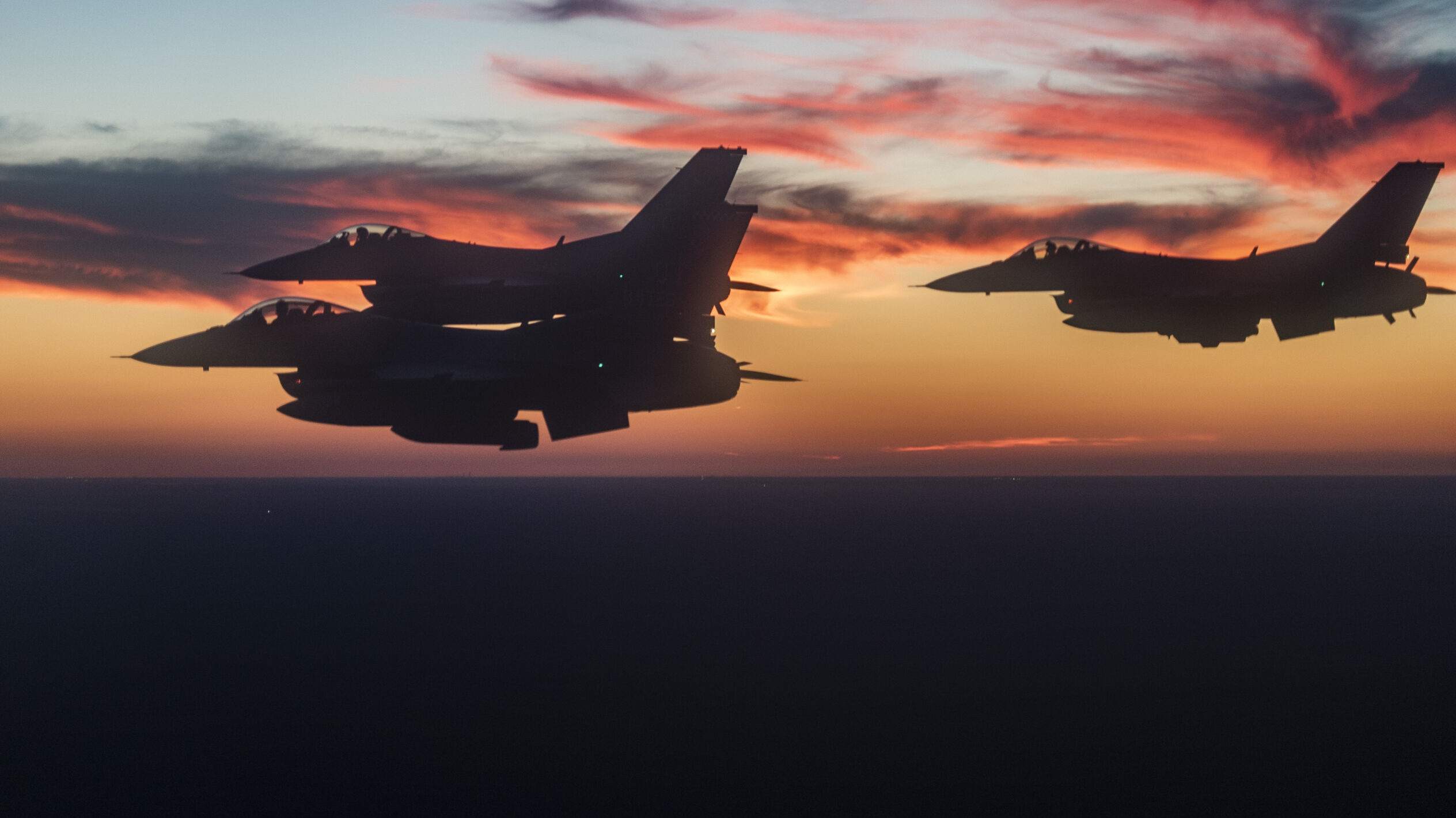
Giving excess fighter jets to Ukraine now will help ensure its safety in the future - but the NATO nations should have strings attached, write Robbin Laird and Ed Timperlake.
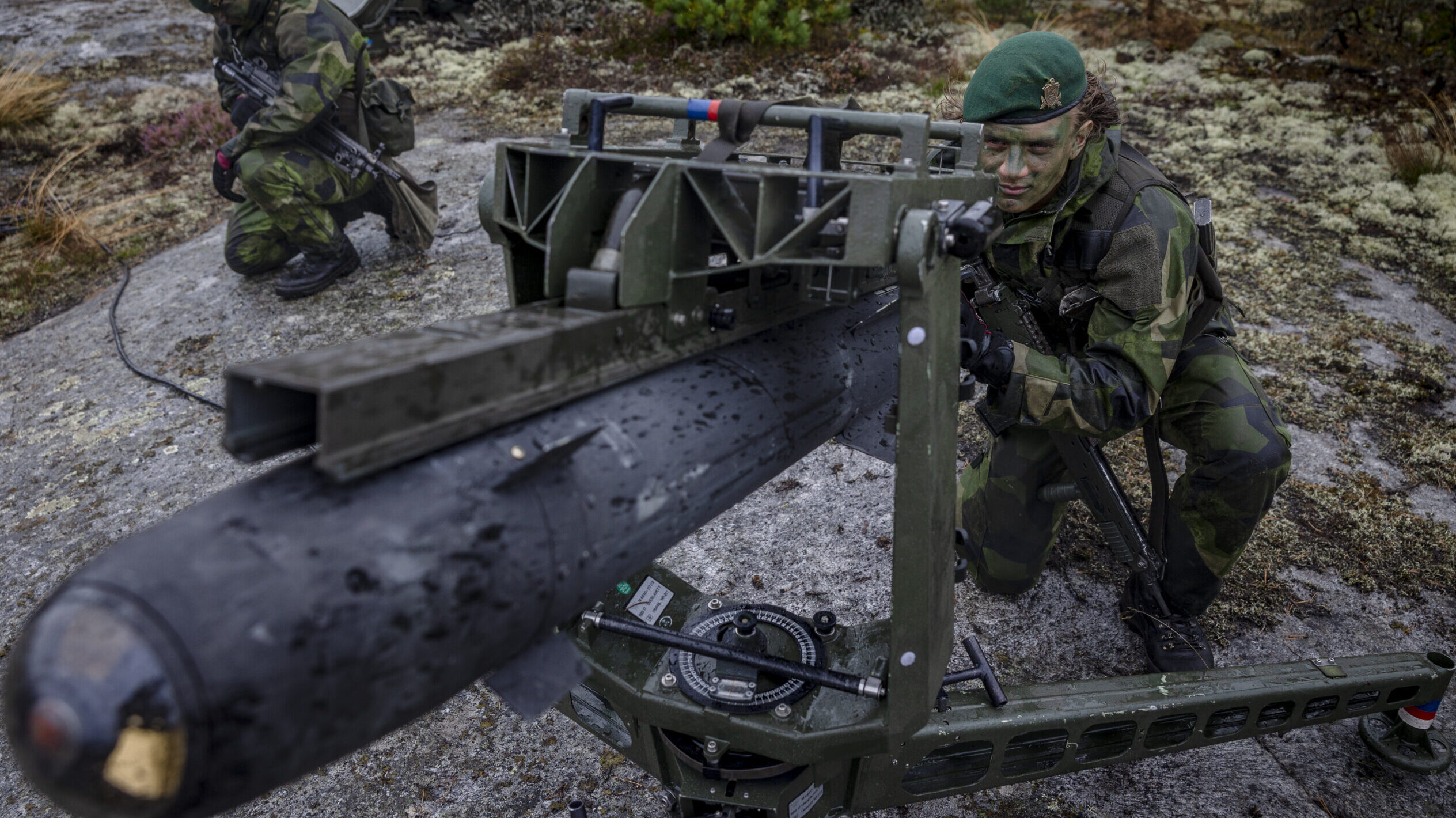
Sweden "has a significant chance for innovation because it can rebuild its defense forces within a wider context and perspective while relying heavily on domestic defense companies that the country has not yet tapped to its full benefit," writes analyst Robbin Laird.

There is no single answer to the drone threat, pushing the Pentagon toward a broader mix of defenses.
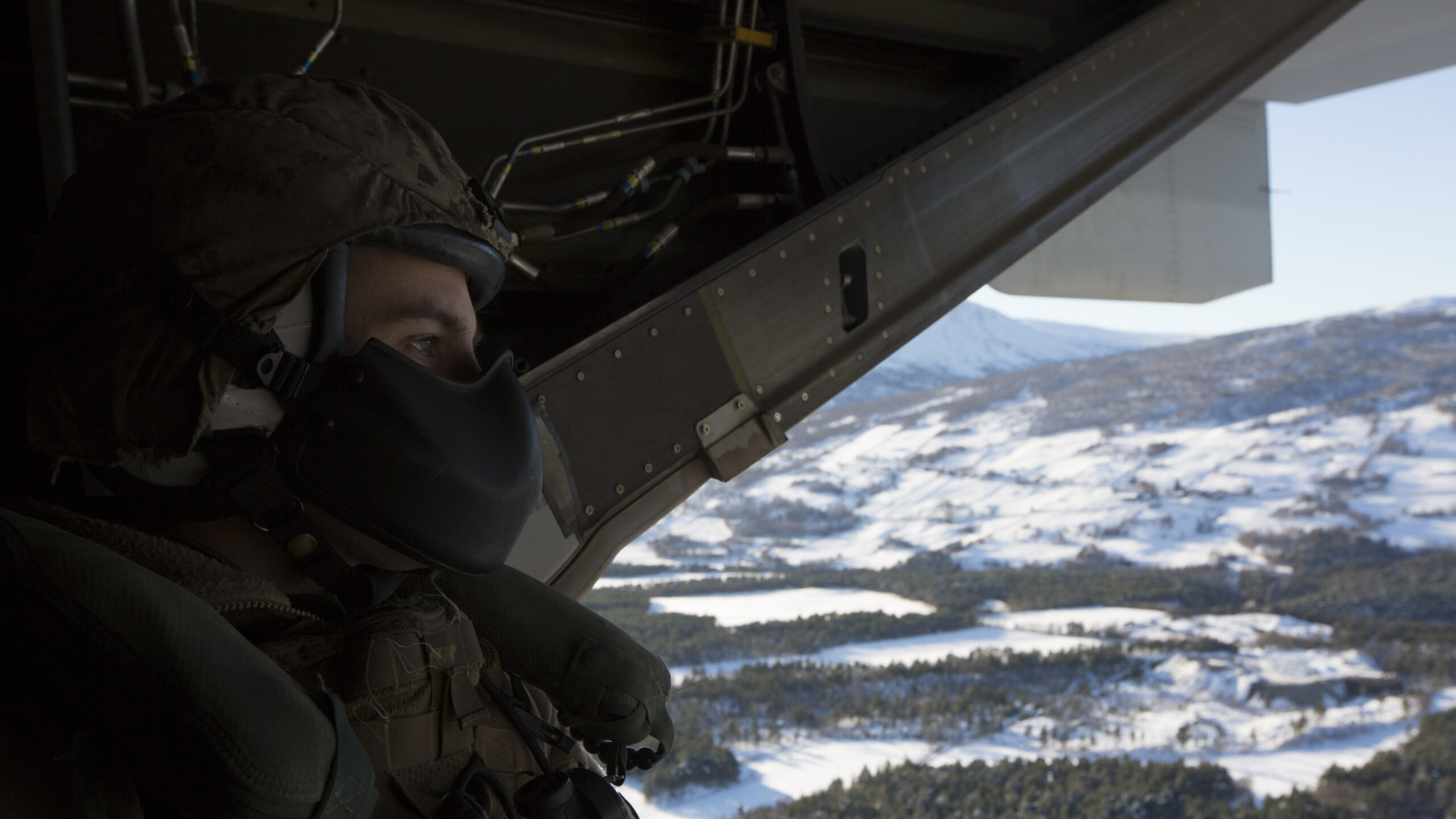
Being part of the new NATO team of Finland, Sweden and Norway, rather than being the sole Nordic NATO leader in this key region, means changes should come to its defense posture, writes analyst Robbin Laird.

To deal with the logistics challengers of the modern carrier, the Navy should increase its buy of Ospreys, argues analyst Robbin Laird.

"Finland never bought into the idea of East-West peace lasting forever following the collapse of the Soviet Union," and now seems prescient in its defense investments, writes Robbin Laird.
"The coming of Sweden and Finland will not look like the Eastern expansion, but more akin to the Spanish development, whereby older national traditions are re-defined and new defense approaches shaped," writes Robbin Laird.

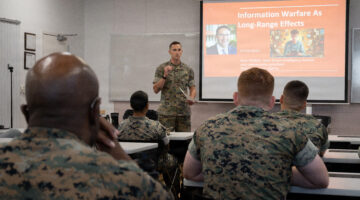
"Being able to tell the commander you don't need to do something is actually a pretty powerful message, as well."
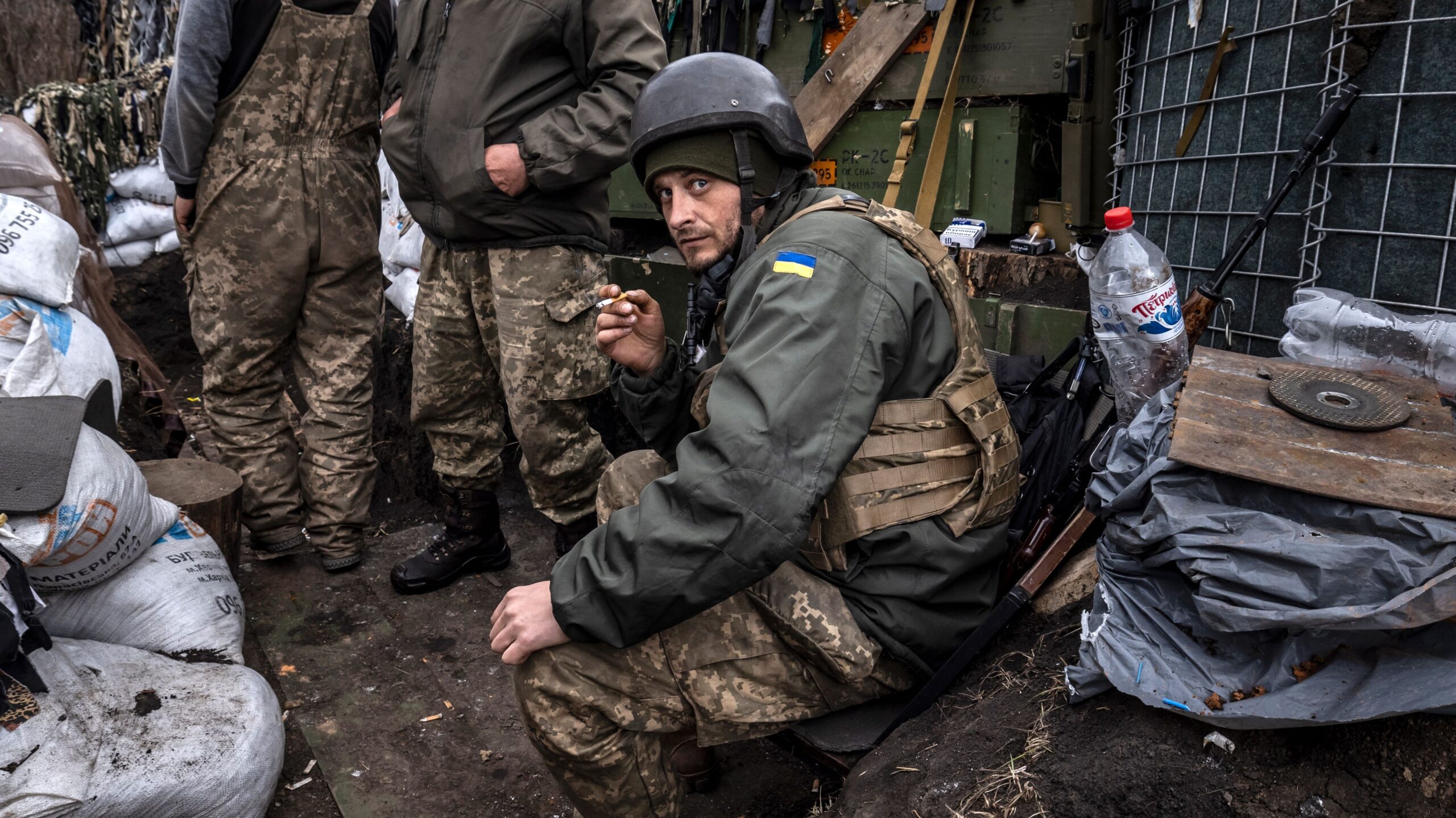
To avoid an Afghanistan situation of open-ended conflict, the US and its partners need to be thinking about how to end the conflict sooner rather than later, writes Robbin Laird.

The White House needs to be careful about what signals it is sending to Moscow with its rhetoric about Russia, writes Robbin Laird in a new column.
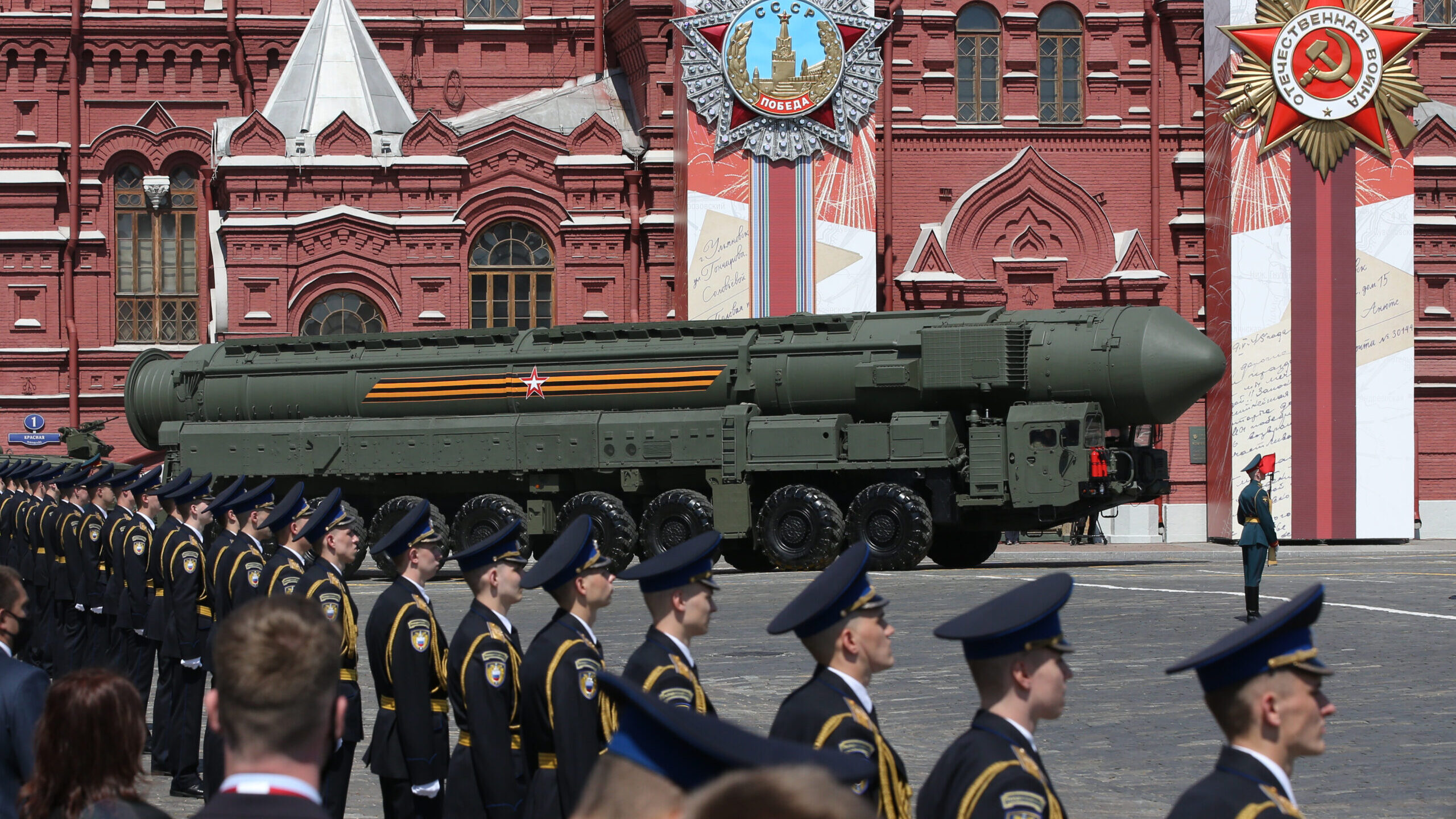
"The US has spent the last three decades siloing nuclear capabilities off into their own box, and hence we are behind the ball on thinking of how to deal with an increasingly desperate foe who sees nuclear weapons not as a final instrument, but as part of the broader orchestra," writes Robbin Laird.

Thanks to the end of the Cold War, the focus on counter-terrorism in the Middle East, and an emphasis on concerns over China, "we simply do not have deep knowledge of Russia," writes Robbin Laird.